
Close



I was sitting in my Cape Town office in 2012, sipping my morning coffee when the phone started ringing. Then it didn’t stop.
“Moshe, what the hell is happening to my traffic?” “My rankings have disappeared overnight!” “I’ve lost 80% of my organic search results!”
Vegas Kings had built and designed many Affiliate sites for our clients. Google had just rolled out Penguin 1.0, and by lunch, half our affiliate clients were watching their businesses evaporate in real-time. These weren’t small players – some were pulling in seven figures monthly from SEO-driven casino affiliate sites.
I remember one particular call from a client who’d been earning £400,000 per month from a single affiliate site. His voice was shaking: “Moshe, I went from position 1 for ‘online casino’ to page 47 overnight. What should I do?”
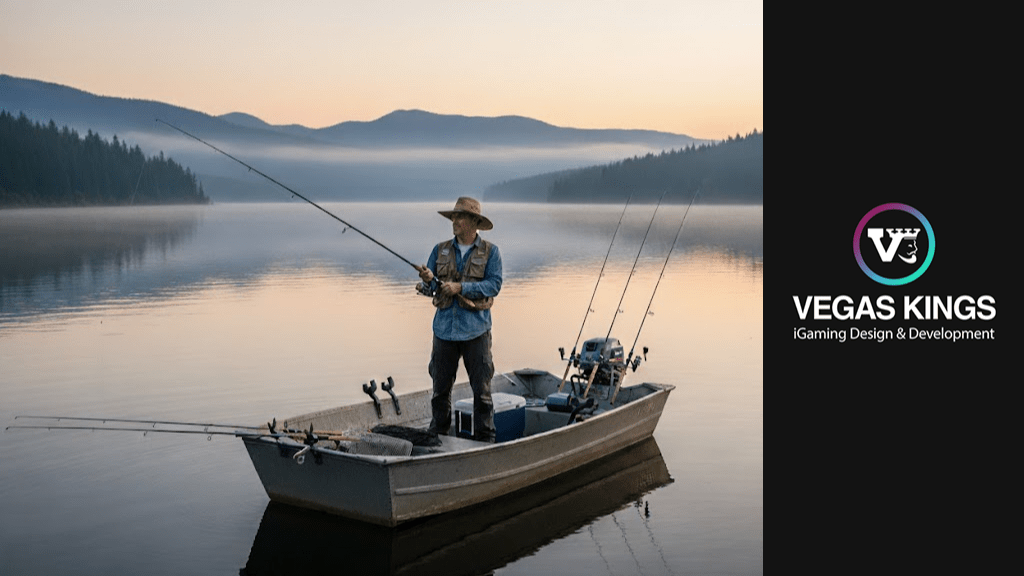
That day taught me the most valuable business lesson of my 30-year career: A fisherman who fishes with multiple rods will always increase his chances of catching a fish.
Now, 13 years later, I’m getting those same panicked phone calls again. Only this time, it’s not just Google changing the rules – it’s AI potentially making Google itself irrelevant.
The Golden Age Was Built on a Single Fishing Rod
From 2000 to 2012, affiliate marketing in iGaming was like discovering the world’s most productive fishing spot. If you could build a basic website and understood elementary SEO, you could drop your line and pull up fortunes.
But here’s the problem – everyone was fishing in the exact same spot with the exact same bait.
I watched ordinary people become millionaires by gaming Google’s algorithm. Link farms, keyword stuffing, article spinning – tactics that would make modern SEOs cringe were generating fortunes. One client of ours ranked #1 for “poker” with a site that was basically 500 pages of the word “poker” repeated in different combinations.
It sounds ridiculous now, but it worked. Google’s algorithm was primitive enough that you could trick it, and the iGaming industry had discovered every loophole.
The smart money was flowing like water. I remember affiliate conferences where 25-year-olds would casually mention buying their third Ferrari. The VIP programs were insane – operators were flying top affiliates to Formula 1 races by private jet, complete with paddock access and dinner with drivers.
But underneath all that wealth was a fundamental flaw: everyone had put all their rods in one fishing spot. Google controlled the fish, which meant Google controlled everything.
When the Fishing Spot Shut Down
Penguin wasn’t just an algorithm update – it was like the authorities showing up and declaring our favorite fishing spot off-limits. Google had finally gotten sophisticated enough to detect and punish the exact tactics that had made our clients rich.
The carnage was immediate and brutal. Sites that had been earning £50,000 monthly dropped to £500 overnight. Entire affiliate networks collapsed. I watched grown men cry on conference calls as their single fishing rod snapped in half.
The worst part was, there was nothing they could do. You can’t negotiate with park rangers when they shut down your fishing spot. You can’t appeal to Google’s better nature when they decide your tactics are spam. I know, I have been to the Google offices and pleaded with them face to face!
That week, I spent more time on crisis management calls than I had in the previous five years combined. Some clients wanted to know how to “fix” their rankings – essentially asking how to sneak back into the closed fishing spot. Others wanted to know if we could build them new sites that would “beat” the new algorithm – looking for a secret entrance to the same location.
But the smartest clients asked a different question: “Where are the other fishing spots? How do we make sure this never happens to us again?”
The Survivors Learned to Fish Multiple Waters
A friend of mine who’s been deep-sea fishing for 40 years once told me something that perfectly captures what happened next: “Moshe, a fisherman who fishes with multiple rods will always increase his chances of catching a fish. You never know which bait the fish will want on any given day.”
The affiliates who survived and thrived after Penguin had already started fishing in multiple spots with different rods. One client had been building an email list for two years. While his organic traffic crashed, he could still generate £100,000 monthly by emailing his subscribers directly. Another had invested in social media and YouTube before it was trendy – suddenly those “experimental” channels became his primary catch. The smartest operators had been buying traffic from multiple sources: Google Ads, Facebook, affiliate networks, even traditional media.
When the Google fishing spot closed, they just reeled in that line and focused on the others. They kept catching fish while everyone else panicked.
But Here’s the Twist – The Biggest Fish Just Got Caught
Fast forward to 2025, and I’m watching the exact same panic unfold, just with different players.
Google itself is now the fish that’s been caught. ChatGPT, Claude, and other AI tools are fundamentally changing how people search for information. Why visit 10 different “best online casino” affiliate sites when you can ask an AI for a personalized recommendation in seconds?
I’m getting calls from the same affiliates who survived 2012: “Moshe, my traffic is down 40% this year. People aren’t using Google the same way anymore.”
The irony is delicious. Google, which shut down so many fishing spots by changing its algorithm, is now potentially being disrupted by AI that doesn’t need traditional search at all. It’s like watching the park ranger who closed our favorite spot suddenly realize that all the fish have migrated to completely different waters.
The New Gold Rush
Just like 2000-2012, there’s a new gold rush happening. Everyone’s hunting for the next magical fishing spot.
TikTok and Instagram Reels – gambling influencers are pulling up massive catches, but platforms can declare these waters off-limits overnight (and often do). YouTube and Twitch streaming – slot streamers and sports betting content creators are having record days, until platform policies change or regulations shut down the spot. Some affiliates are flooding the internet with AI-generated “reviews” and “guides,” essentially using automated fishing rods to game the new waters. Crypto and Web3 feel like discovering uncharted fishing territory.
Sound familiar? It’s the same pattern: find the productive spot, drop all your rods there, catch fish until everyone shows up, then watch the authorities shut it down or the fish migrate elsewhere.
The problem isn’t finding new fishing spots – it’s that people keep making the same mistake of putting all their rods in one location.
The Fisherman’s Wisdom Applied to Modern iGaming
The smartest iGaming businesses I know treat traffic acquisition exactly like that experienced fisherman. They’ve got multiple rods in different waters: organic search (Google, but also YouTube, TikTok search, even AI platforms), paid advertising (Google Ads, Facebook, but also emerging platforms), direct relationships like email, SMS, push notifications, and apps – this is like having your own private pond. They spread across partnerships and affiliates, build their own fishing community through social and content marketing, and yes, some operators still catch fish with traditional marketing like TV and radio.
Always hedge your bets and prepare for change.
When Google changed the rules in 2012, the operators with multiple rods just reeled in that line and focused on the others. When AI starts impacting traditional search, they’ll adapt again. When the next disruption comes – and it will come – they’ll still be catching fish.
Build Your Weather-Proof Fishing Operation
The real lesson from 2012 – and from today’s AI disruption – isn’t about any specific fishing spot. It’s about building a fishing operation that can catch fish in any weather.
Own your private pond. Email lists, apps, direct relationships – these are fish that choose to stay in your waters. AI can’t redirect fish that actively want to be caught by you. Use quality bait and build something people actually want, not just something that tricks the fish temporarily. Fish multiple waters with traffic sources, revenue streams, and dependencies – never let any single fishing spot control whether you eat. Master the fundamentals like fish behavior, water reading, and seasonal patterns because these skills transfer to any new waters you discover. Stay weather-aware and always assume your most productive spot will change or close tomorrow. Where’s your backup plan?
The Next Storm Warning
I know I’ll get another round of panicked phone calls in the future. Maybe it’ll be when AI completely replaces traditional search. Maybe it’ll be when quantum computing changes how we process information. Maybe it’ll be when regulations ban entire categories of digital fishing.
But I also know that the businesses still catching fish will be the ones that learned from 2012: fish with multiple rods in different waters, never get too comfortable in any single spot, and always keep your equipment ready for the next migration.
The fishing spots will always change. Technology will always evolve. The regulations will always shift. The only constant is that change is constant.
But here’s the beautiful thing about being an experienced fisherman: once you truly understand fish behavior and water dynamics, you can adapt to any new environment. The specific techniques might change, but the principles remain the same.
So ask yourself: if your most productive fishing spot disappeared tomorrow, would you still be able to feed your family? If AI made your favorite waters obsolete overnight, could you still catch fish elsewhere?
If the answer is no, you’re still dropping all your rods in one spot. And every experienced fisherman knows exactly how that story ends.
The smart money is always on the fisherman with multiple rods, not the one with the luckiest single catch.
“The Power Play by Moshe Adir” is released weekly on the Vegas Kings website and LinkedIn. Drawing from nearly 30 years of experience in design and development for online gaming, Moshe shares exclusive industry insights, lessons learned, and behind-the-scenes stories from the evolution of iGaming. Stay tuned for fresh perspectives from one of the industry’s OG!