
Close



I often think back and have to laugh at how far we have come and how backward things were in the 90s compared to today, especially when looking at how online gaming started. I take my hat off to the pioneers for being persistent and using the old technologies that we were all faced with. The one thing I must say is I was surrounded by visionaries. We all knew where technology was going to go and the path was clear but the hurdles were many…
That Shiny Disc
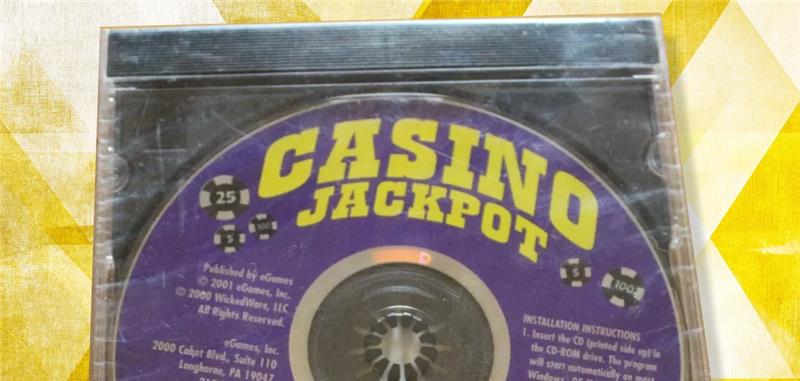
Imagine a time when the thrill of an online casino wasn’t just a click away, it was a package in your mailbox. In the 1990s, before high-speed internet and instant browser-based gaming, playing virtual slots or blackjack meant ordering a CD, waiting for the postal service to deliver it, and installing hefty software on your computer. This was the dawn of online gambling, a clunky yet charming era where dial-up modems screeched and physical media reigned supreme.
Let’s rewind to explore how it started, how it worked, and how it eventually faded – complete with quirky campaigns and a few postal service tales. By the way, this approach not only ensured reliable software delivery but also opened new avenues for marketing and customer acquisition.
How It All Began
The online casino revolution kicked off in the mid-1990s, spearheaded by pioneers like Microgaming, a company credited with launching the world’s first online casino software in 1994. Back then, the internet was a sluggish beast. Dial-up connections topped out at 56 kbps, if you were lucky (very slow, in other words). Downloading a full casino platform, often several megabytes of data, could take hours or crash midway, leaving players frustrated. Enter the CD-ROM: a shiny, reliable solution to bypass the digital bottleneck. Companies packaged their software onto discs, mailed them to eager gamblers, and let the physical world bridge the gap that slow modems couldn’t.
This wasn’t just a technical fix, it was a business model. Mailing CDs became a key customer acquisition strategy, with the cost of production and postage baked into marketing budgets. For a few dollars per disc, casinos could reach new players, offering a tangible entry point to their virtual tables.
How It Worked
Ordering a casino CD was a multi-step adventure. You’d spot an ad, maybe in a magazine, on early web banners, on an online casino website or even through a mail-order catalog, promising free spins or a sign-up bonus. You’d call a toll-free number or fill out a form, provide your address, and wait.
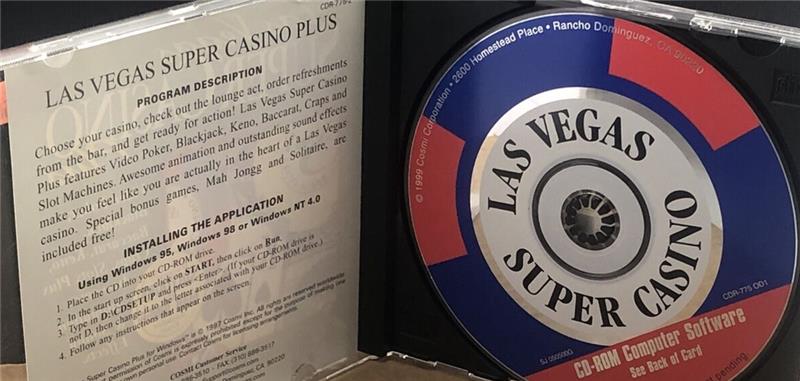
Days or weeks later, a padded envelope arrived with a CD, often branded with flashy graphics of spinning reels or poker chips. Pop it into your Windows 95 PC, run the installer, and after a few minutes of whirring drives, you’d have a fully functional casino on your desktop.
The software connected to the internet via dial-up to verify accounts, process payments, and enable your new games, but the bulk of the graphics and logic lived locally on your machine. This was critical as bandwidth couldn’t handle real-time streaming of complex games, so CDs delivered the heavy lifting upfront.
Market and Players
The CD model thrived in markets where internet access was growing but still limited. In the U.S., early adopters with PCs and modems were the target, think suburban households or tech-savvy young adults. Across the Atlantic, Europe saw similar efforts, while in South Africa, Piggs Peak Online Casino took full advantage.
Piggs Peak, originally a brick-and-mortar operation in Swaziland, launched its online arm around 1996-1997, leveraging Microgaming’s software. South Africa’s internet penetration was low, less than 1% of the population was online by the decade’s end. CDs were a lifeline to reach players. The casino’s servers operated from Swaziland, sidestepping South Africa’s strict gambling laws, but the CDs brought the experience directly to doorsteps.
Piggs Peak’s Clever CD Campaigns
Piggs Peak turned CD distribution into an art form. One standout campaign partnered with food delivery services across South Africa. Order a pizza or a takeaway curry, and tucked into your bag was a free Piggs Peak CD, complete with a promise of free play credits. It was a brilliant hook: your meal came with a side of gambling, no extra charge.
Another tactic saw CDs slipped into take-away menus dropped off at homes, turning a mundane flyer into a gateway to virtual jackpots. These efforts capitalized on everyday routines, making Piggs Peak a household name among South Africans who might never have sought out an online casino otherwise.
The CDs themselves were a novelty, branded with the casino’s logo, they offered a taste of the glitz and glamour of gambling, all from the comfort of a dial-up connection. For many, it was their first taste with online gaming, a physical artifact of a digital frontier.

The U.S. Scene and Postal Service Shenanigans
In the U.S., the CD craze hit differently. Companies like InterCasino and The Gaming Club mailed discs to players, often bundled with free trials or bonus cash to lure sign-ups. The market was bigger but fragmented, gambling laws varied by state, and online casinos operated in a legal gray zone, hosted offshore. Still, CDs flew through the mail, targeting anyone with a PC and a modem.
Some online casinos faced challenges with bulk mailing regulations. Reports suggest that certain promotional CD mailings were so extensive that they overwhelmed local postal facilities, leading to temporary storage issues and humorous anecdotes among postal workers.
There was an urban legend of a New Jersey postman who, fed up with delivering “shady” discs, started a side hustle reselling them at flea markets. One crazy hiccup that happened in 1998, a batch of misprinted CDs for a U.S. casino shipped with the wrong software. Players got a tax software program instead of roulette. The company scrambled to resend, but not before irate callers flooded their hotline.
Why It Ended
By the early 2000s, the CD era waned. Broadband internet such as DSL and cable rolled out, jumping speeds to megabits per second.
Suddenly, downloading software or playing in-browser became viable. Casino sites shifted to Flash-based platforms, cutting out the middleman of physical media. The cost of mailing CDs, once a smart investment, couldn’t compete with instant digital delivery. Piggs Peak, for instance, stopped accepting South African players around 2014, pivoting to other markets as local laws tightened and online access soared.
A Nostalgic Legacy
Today, casino games load in seconds through browsers or apps, a far cry from the 1990s’ postal pilgrimage. No more waiting for the mailman, no more scratchy CDs, just instant gratification. Yet there’s a charm to that slower pace, when a disc in hand felt like a ticket to something new. For those who never lived it, the idea of ordering a casino by mail might sound absurd. But for a generation raised on dial-up and spinning drives, it was a gamble worth taking, one envelope at a time.
What Story do you have from back in the day that you could share with us?
“The Power Play by Moshe Adir” is released weekly on the Vegas Kings website and LinkedIn. Drawing from nearly 30 years of experience in design and development for online gaming, Moshe shares exclusive industry insights, lessons learned, and behind-the-scenes stories from the evolution of iGaming. Stay tuned for fresh perspectives from one of the industry’s OG!