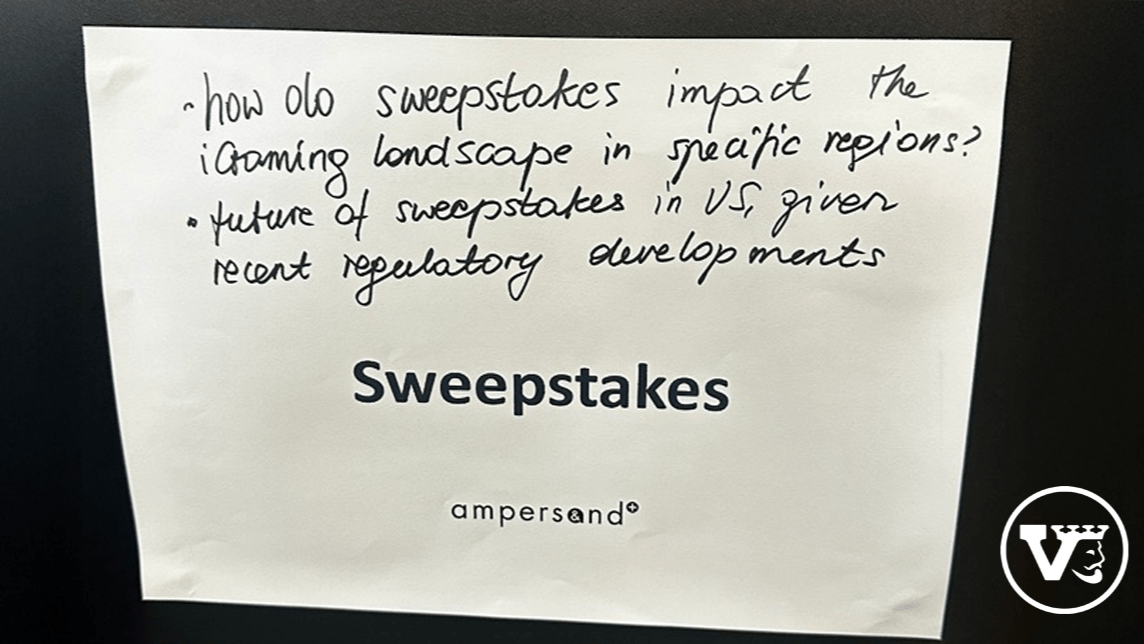
Sweepstakes gaming has exploded in the last few years, but how many really understand its history, fundamentals, and future risks?
I’ve danced around this subject for years, and I’m here to inject some real knowledge into this beautiful subject, because this is more than just a legal loophole. It’s shaping the future of iGaming.
Brief History
Sweepstakes-based gaming has been around for decades, originally tied to marketing promotions used by major brands to engage consumers.
Traditional sweepstakes gave participants the chance to win prizes without requiring a direct purchase, a model that allowed companies to run contests legally while avoiding strict gambling laws.
Sweepstakes have operated predominantly in the USA. Many top non-gaming brands have leveraged the idea for deep customer engagement, boosting customer loyalty, resulting in increased sales.
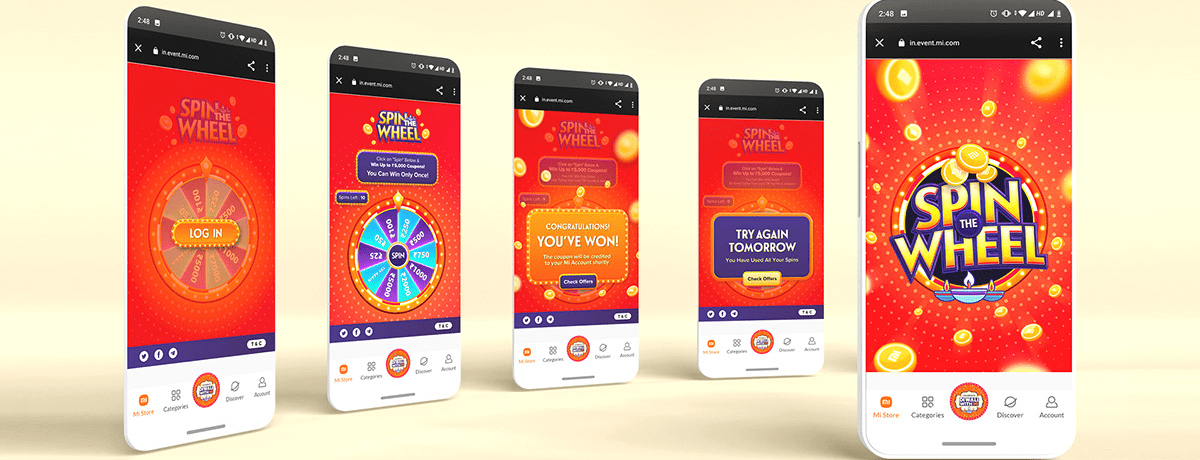
The idea is based on a dual-currency play, where one currency, let’s say gold coins is currency 1 and diamonds are currency 2.
Gold coins are given to consumers for free on a daily or weekly basis, no purchase necessary and this is the currency you can win money and prizes on. According to US law, consumers also have the right to request more free gold coins via written post, email or similar.
The second currency, diamonds, can be purchased to enable more gameplay, but winnings earned with diamonds do not qualify for prizes or withdrawals.
I’ll explain more about the dual-currency further down in this article.
Here are some well-known legitimate sweepstakes examples outside of the gambling industry that showcase how brands have successfully used them for marketing and engagement:
- McDonald’s Monopoly – One of the most famous sweepstakes, where customers collect game pieces from food packaging for a chance to win prizes. It drives repeat purchases and customer engagement.
- Publishers Clearing House (PCH) – A long-running sweepstakes where participants enter for free to win cash prizes. It’s heavily marketed through mail and online ads.
- Coca-Cola Sweepstakes – Coca-Cola frequently runs promotions where consumers enter codes from bottle caps for a chance to win trips, cash, or exclusive merchandise.
- HGTV Dream Home Giveaway – A sweepstakes offering a fully furnished luxury home to a lucky winner. It builds brand engagement and attracts millions of entries.
- Amazon Sweepstakes & Giveaways – Amazon has used sweepstakes to boost engagement by offering free products in exchange for participation.
In online gaming, sweepstakes have evolved into a way for gaming operators to offer casino-style gaming in jurisdictions where traditional online gambling is heavily regulated or not yet legal.
The sweepstakes model gained mainstream attention in the early 2000s with the rise of internet sweepstakes cafes, which allowed players to purchase phone or internet time that came bundled with free sweepstakes entries to play slots and other casino games.

Legal Framework
The legal distinction between sweepstakes and gambling depends on several critical factors that have been established through legal precedent.
The landmark case of Barber v. Jefferson County Racing Association(2003) helped establish that sweepstakes with free alternative methods of entry can avoid classification as gambling operations.
Similarly, G.A. Carney Ltd. v. Brzeczek created important distinctions between chance-based promotions and gambling.
Under federal law, specifically the Unlawful Internet Gambling Enforcement Act (UIGEA) of 2006, sweepstakes are explicitly exempted when they meet certain criteria:
- No Purchase Necessary – All participants must have equal chances of winning regardless of whether they make a purchase
- Prize – Something of value must be offered
- Chance – Winners must be selected by random drawing or chance
- Free Alternative Method of Entry (AMOE) – A free participation method must exist
This creates the foundation for what’s known as the “consideration” test. Traditional gambling requires three elements: consideration (payment), chance, and prize.
By removing the consideration element through free entry options, sweepstakes operators technically operate outside gambling regulations.
Why It Works
- Legal Gray Area – Since sweepstakes gaming doesn’t require a direct wager, it often bypasses strict gambling laws with dual currencies. Players receive a virtual currency or entries in exchange for purchasing something else (like a product or service), allowing operators to function in markets where online gambling is otherwise restricted.
- Accessibility & Convenience – Many U.S. states and other heavily regulated markets prohibit traditional online casinos, but sweepstakes platforms offer players a way to enjoy gaming without violating gambling laws.
- Social & Community Appeal – Many sweepstakes platforms integrate social gaming features, enabling players to share experiences, compete in leaderboards, and enjoy a more engaging environment.
- Big Market Potential – With companies like Chumba Casino, LuckyLand Slots, and Global Poker gaining traction, sweepstakes-based gaming has become a billion-dollar industry, proving that demand for legal, alternative gambling solutions is huge.
The Player Experience
What often gets overlooked in discussions about sweepstakes gaming is the actual user experience. Players interact with these platforms through a dual-currency system that can sometimes cause confusion:
- Gold Coins/Diamond Coins– Players typically purchase a “premium” currency (like Diamond Coins) that has no real-world value, and receive “bonus” currency (like Gold Coins) that can be redeemed for real prizes. The currency can be named whatever the brand wants.
- UI/UX Considerations – Most successful sweepstakes platforms deliberately design their interfaces to mirror traditional casino experiences, creating familiar engagement patterns. Most game suppliers now offer the same or similar games in the sweepstakes model.
- Player Perceptions– Research indicates that despite the legal distinctions, approximately 73% of regular users perceive sweepstakes gaming as essentially equivalent to gambling, which raises important questions about responsible gaming practices.
From player surveys I’ve conducted with clients, we’ve found that the average sweepstakes player spends 22% more time on the platform compared to traditional online casino users, likely due to the perceived “value” of the free currency system.
However, they also report more confusion about withdrawal processes and winning conditions.
Market Size and Growth
The sweepstakes gaming market has experienced remarkable growth in recent years:
- Current Market Size: The North American sweepstakes gaming market reached approximately $3.8 billion in 2023, representing a 28% year-over-year increase.
- Player Demographics: The player base has broadened significantly, with 58% of users now between ages 25-44, compared to 46% in traditional online gambling.
- Conversion Metrics: Industry-wide customer acquisition costs (CAC) average $120-180 per player for sweepstakes platforms versus $300-500 for regulated online casinos in competitive markets.
- Revenue Per User: Average revenue per user (ARPU) has steadily increased by 17% annually since 2020, demonstrating growing player comfort with the model.
These figures highlight why so many operators are rushing to capitalize on the sweepstakes model as both a standalone business and a user acquisition funnel for their traditional gaming properties.
International View
While sweepstakes gaming has flourished primarily in the United States, different models and regulatory approaches exist worldwide:
- European Markets: Countries like the UK have implemented stricter regulations around “free-to-play” models, requiring clearer distinction between gambling and promotional games. The UK Gambling Commission’s stance on “social gaming” has created a more defined regulatory framework.
- Asian Innovations: In markets like Japan, the concept of “Complete Gacha” (kompu gacha) emerged as a sweepstakes-adjacent model until regulatory intervention in 2012, demonstrating how quickly authorities can respond to perceived gambling mechanisms.
- Australian Approach: Australia has taken a firm stance against sweepstakes models that resemble gambling, with the Interactive Gambling Act amendments specifically targeting services that might use technicalities to circumvent gambling regulations.
These international examples suggest potential future paths for U.S. regulation, as they represent more mature regulatory responses to similar gaming innovations.
Tech Trends
Emerging technologies are poised to transform how sweepstakes gaming operates:
- Blockchain Integration: Several sweepstakes platforms are exploring blockchain technology to increase transparency in their random number generation and prize distribution systems, potentially addressing regulatory concerns about fairness.
- Mobile-First Experiences: The shift toward mobile gaming has accelerated the sweepstakes model, with over 76% of new players now accessing these platforms primarily via smartphones.
- AI-Driven Personalization: Leading operators are implementing machine learning algorithms to personalize player experiences while simultaneously detecting problem gambling patterns, a potentially important component for future regulatory compliance.
- Cross-Platform Integration: The integration of sweepstakes mechanics with other entertainment formats (streaming services, social media platforms, etc.) represents the next frontier for customer acquisition and engagement.
These technological developments may help sweepstakes gaming evolve beyond its current regulatory limitations into more sustainable business models.
Where Is Sweepstakes Heading
Regulatory gaps largely drive the current boom in sweepstakes gaming, but the question remains: How long before governments tighten restrictions?
- Regulatory Scrutiny is Increasing – States and countries that have seen an explosion in sweepstakes casinos are already looking to reevaluate their legal frameworks. Some lawmakers argue that these platforms exploit a loophole that goes against the spirit of gambling laws.
- Precedents in Other Markets – History has shown that once a gaming model grows too large, regulators intervene. For example, daily fantasy sports (DFS) enjoyed a period of loose regulation before states like New York and Nevada imposed stricter licensing and compliance requirements.
- Potential for Regulation Rather Than a Ban – Instead of outright banning sweepstakes gaming, regulators may introduce a licensing framework, taxation, and responsible gaming measures to ensure consumer protection while still allowing operators to function legally.
- Evolution Toward Hybrid Models – Some operators may transition into fully regulated online casinos as jurisdictions begin opening up to iGaming, similar to how DFS operators pivoted into sports betting after U.S. legislation evolved.
How Long Will Sweepstakes Gaming Last?
Sweepstakes gaming is currently still thriving, but its status as a regulatory loophole won’t last forever. The timeline for change will vary by region, but if history is any indication, authorities will act sooner rather than later.
However, the industry may adapt by securing regulatory approval in key markets, evolving into a fully licensed sector rather than disappearing altogether.
For now, sweepstakes gaming represents an exciting opportunity in the iGaming space, but those involved should be prepared for inevitable regulatory shifts in the near future.
What do you think? Is sweepstakes gaming a sustainable revolution, or just a ticking time bomb?
Would love to hear your thoughts below.
If you’re exploring the sweepstakes model and want a site that converts players, not just looks pretty, Vegas Kings can build it. Let’s talk.
“The Power Play by Moshe Adir” is released weekly on the Vegas Kings website and LinkedIn. Drawing from nearly 30 years of experience in design and development for online gaming, Moshe shares exclusive industry insights, lessons learned, and behind-the-scenes stories from the evolution of iGaming. Stay tuned for fresh perspectives from one of the industry’s OG!