
Close



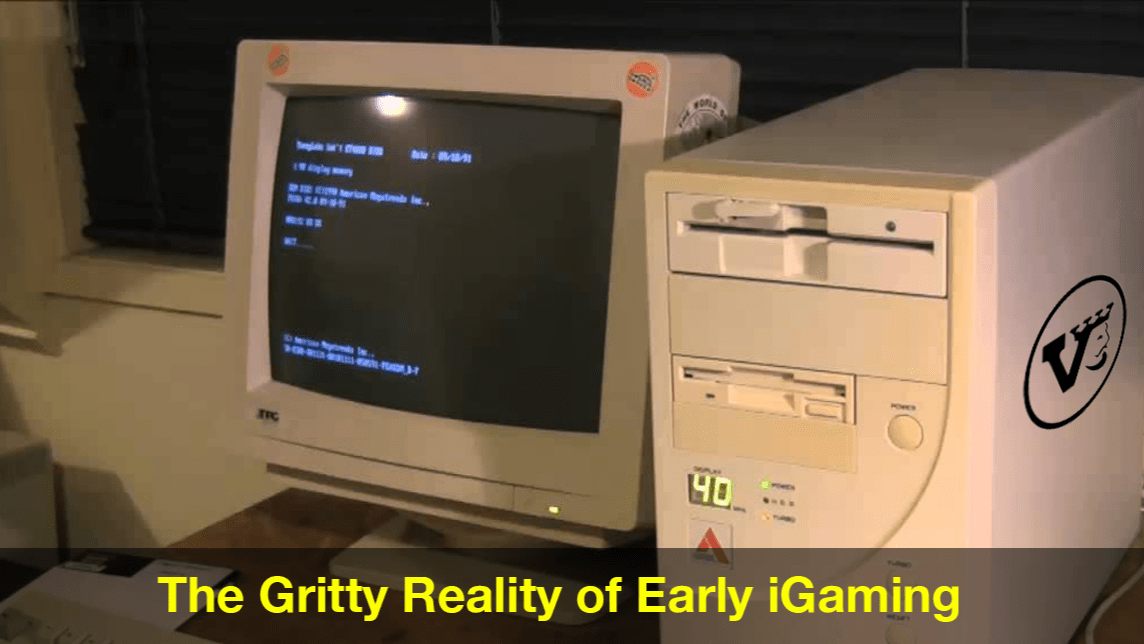
So, I had to take us back down memory lane because I realized our industry has a lot to learn about the past. There is too much juice around this subject. It feeds us with those old memories and educates people who had no idea what we had to go through back in the day.
I can remember when downloading 50MB casino software felt like a leap of faith. Let’s take a trip back to the grand old days of online gambling.
The Internet Casino Gold Rush (1996-2005)
Picture this: It’s 1998. You’re sitting at your beige desktop computer, listening to the sweet symphony of dial-up connecting, about to experience the “future of gambling.” Except that future looked more like a pixelated fever dream than the modern gaming experiences we know today.
The early days of iGaming weren’t just limited by technology, they were practically strangled by it. Yet somehow, this scrappy industry managed to lay the foundation for what would become a $100+ billion global market.
Before instant-play was even a concept, getting into an online casino required an act of faith that would make religious leaders jealous.
The Process:
Companies like Microgaming, Playtech, and RealTime Gaming built these fortress-like applications that promised better graphics and performance. The reality was crashes, compatibility issues, and the constant fear that you’d just installed a digital plague on your family computer. I swear, I am not joking.
Mac and Linux users? They got to watch from the sidelines like kids with their faces pressed against the candy store window.
The visual experience of early online slots was… let’s call it “charmingly primitive.”
We’re talking about:
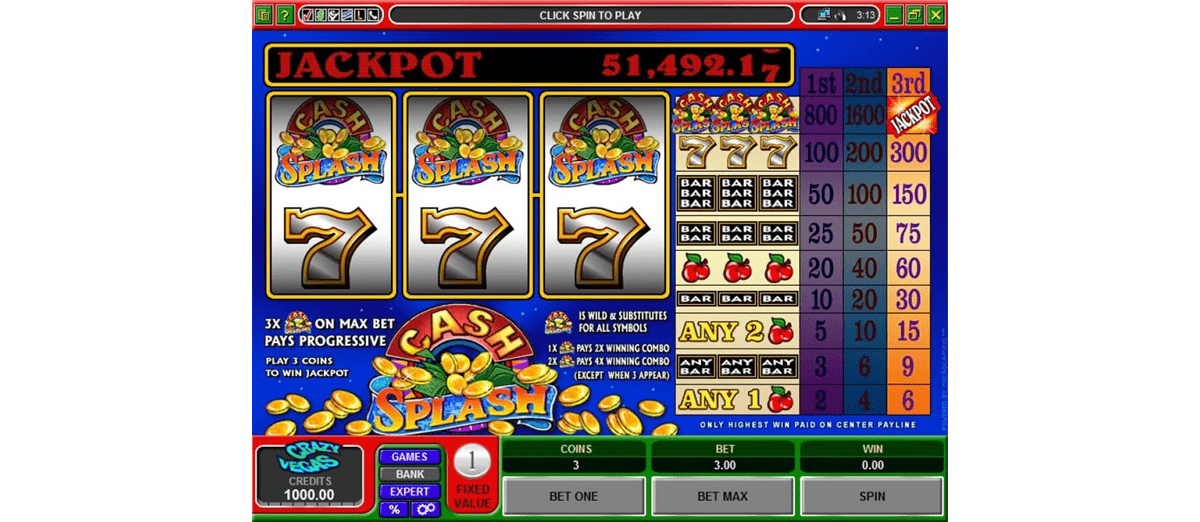
Early slots from 1998-2002 looked like they were designed by someone who’d only heard casinos described secondhand. Everything was pixelated, nothing was immersive, and the whole experience felt about as trustworthy as a diet pill ad at 3am.
When “Random” Felt Rigged
Perhaps the biggest challenge wasn’t technical, it was psychological.
Every game ran on RNG (Random Number Generator) systems, but players had zero proof these weren’t rigged. There were no live dealers, no transparency, just you versus an algorithm that seemed suspiciously good at taking your money.
Player questions haunted the industry:
Some operators tried animated card flips to simulate real dealing. Others experimented with “provably fair” systems. But mostly, players just had to trust, and trust was in short supply. I know as we put out player questionnaires and interviewed players back in the day.
Before 2002, slot jackpots were fixed amounts. You might win a few thousand, maybe ten grand if lady luck was feeling generous. But life-changing money? Not happening.
Then Microgaming launched “Cash Splash” in 1998, the first progressive jackpot that linked multiple casinos together. Suddenly, the stakes got real. But for years before that breakthrough, players were essentially playing for pocket change in the grand scheme of gambling dreams.
Early iGaming was the ultimate solo experience. No chat features, no tournaments, no leaderboards, just you, alone with your thoughts and a pixelated slot machine.
Poker rooms were the first to break this mold, but even then, the social elements we take for granted today were practically non-existent.
The Great Evolution
The transformation didn’t happen overnight, but when it did, it was spectacular:
Technology Breakthroughs:
Game Innovation:
Trust and Transparency:
The early limitations of iGaming weren’t just technical hurdles, they were character-building experiences that forced the industry to innovate or die.
Today’s seamless gaming experiences, with their HD streams, interactive features, and mobile optimization, exist because operators had to solve seemingly impossible problems with limited resources.
Those pixelated slots and crash-prone software weren’t just products of their time, they were the necessary growing pains of an industry learning to walk.
The Next Frontier
As we stand on the brink of AI-powered personalization, metaverse casinos, and blockchain transparency, it’s worth remembering how far we’ve traveled.
The future might bring us virtual reality poker rooms and AI dealers that adapt to our playing style, but it all started with someone brave enough to upload a 50MB casino client on a 56k modem and call it the future.
Sometimes the best way to appreciate where we’re going is to remember where we’ve been.
“The Power Play by Moshe Adir” is released weekly on the Vegas Kings website and LinkedIn. Drawing from nearly 30 years of experience in design and development for online gaming, Moshe shares exclusive industry insights, lessons learned, and behind-the-scenes stories from the evolution of iGaming. Stay tuned for fresh perspectives from one of the industry’s OG!