
Close



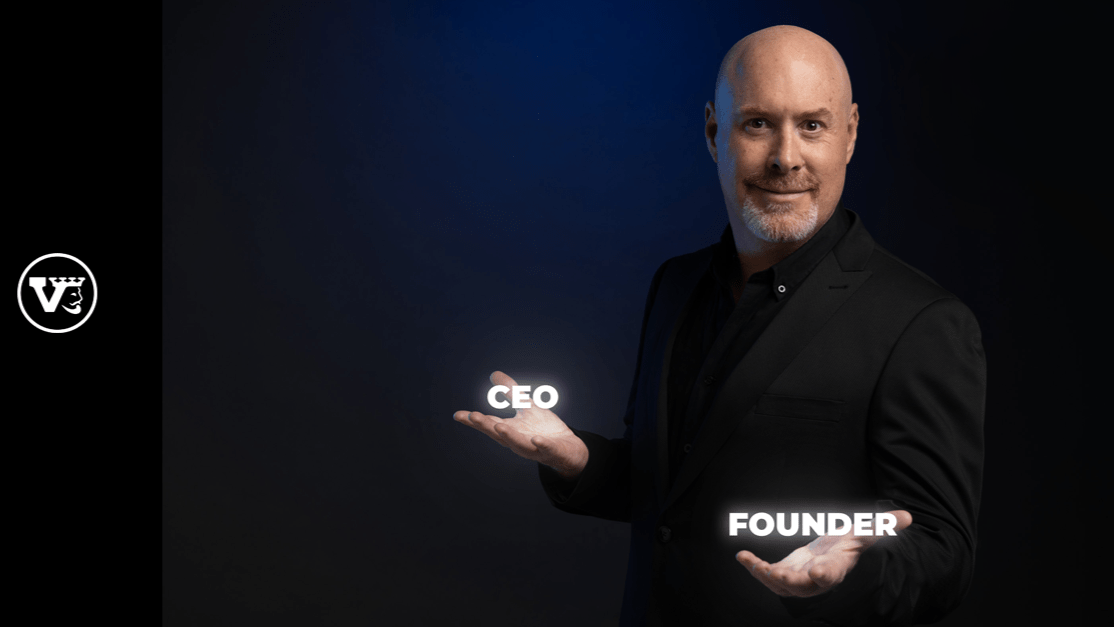
The moment I knew I had to fire myself as CEO happened during a strategy meeting in 2016. I realized I was spending 80% of my time on operational details and only 20% on the vision work that actually energized me.
I looked around the table, at my brother and co-founder Ashley Adir, who was handling a complex team issue with natural ease, while I was itching to get back to a client pitch I was developing. That’s when it hit me: we were both doing the wrong jobs.
That night, I called my brother Ashley and said the words that would change everything, “I think I’m the problem.”
After 21 years of building Vegas Kings from a one-man operation in Cape Town to a global iGaming agency with several employees, I had to admit something that terrified me – I was holding my own company back.
The Uncomfortable Truth About Founders
Here’s what nobody tells you when you start a company: The skills that make you a great founder often make you a terrible CEO.
I was brilliant at spotting opportunities, building relationships, and envisioning the future… But managing people? Handling difficult conversations? Creating systems and processes? I was basically winging it and hoping nobody would notice.
The problem is… in a small company, everyone notices.
I realized I was not confrontational, only saw the best in everyone, and I genuinely had no idea how to manage a team properly. I was the guy who would rather redesign a website from scratch, than tell someone their work wasn’t up to standard.
In the early days, when it was just me coding HTML at 2 AM, that didn’t matter. But with a team of talented designers and developers depending on clear direction? It was a disaster waiting to happen.
The Reality Check
By 2016, we had been serving the iGaming industry for over two decades. We’d worked with some of the biggest names in the business, from Microgaming operators to Playtech partners. Our portfolio was impressive, our client relationships were solid, and we had a reputation as the most experienced agency in the space.
But internally, we were struggling with the same issues that kill most growing companies: unclear responsibilities, inconsistent communication, and a founder who thought “being nice” was the same as “being a good leader.”
I remember sitting in a strategy meeting, simultaneously thinking about a new client pitch, a team hiring decision, and the technical requirements for a current project. I was physically present but mentally scattered across a dozen different priorities. That’s when I realized I wasn’t giving any single area the focused attention it deserved.
Enter Ashley
My brother Ashley had been my business partner for years, but he was focused on different aspects of the business. When I finally swallowed my ego and asked him to take over as CEO, I was expecting him to say something like, “Let me think about it” or “Are you sure?”
Instead, he looked at me and said, “It’s about time.”
Turns out, he’d been watching me struggle with management for years and was just waiting for me to figure it out myself. Ashley had the skills I lacked: He could have difficult conversations, set clear expectations, and create the kind of structure that lets creative people do their best work.
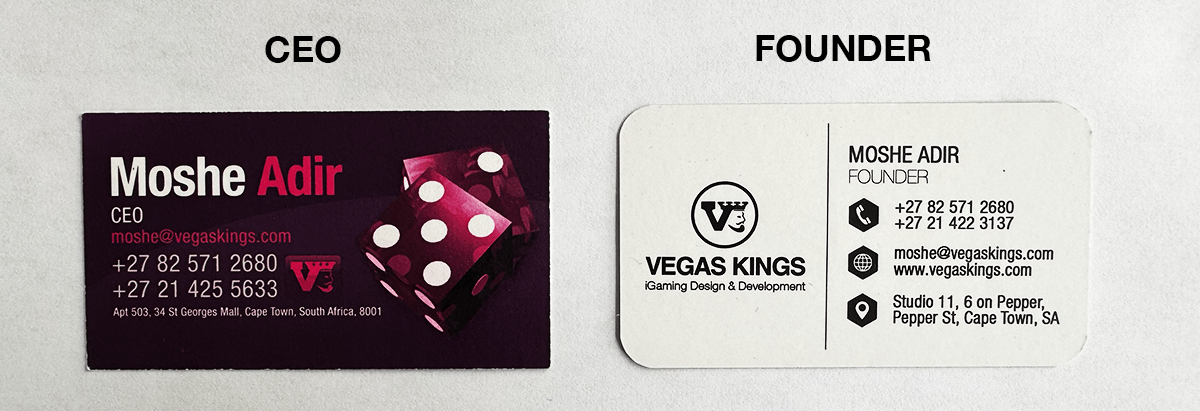
The transition wasn’t immediate, and it wasn’t always smooth. But honestly, the logistics weren’t the hardest part. The hardest part was something I didn’t expect: Letting go of three little letters on my business card.
When you’re growing up, you’re trying to find your place in the world. For me, the “CEO” title held huge weight. It affirmed my success and felt crucial to how others would view me.
I knew Ashley would be the better leader, but I struggled with a nagging fear of whether people would see me as less than I was? Would I be taken less seriously in meetings, at conferences, in the business world?
I had to get out of my own way, but this little accolade was standing in my way.
The result was completely different from what I feared. When I removed ego from my thought process and stepped aside, I learned something powerful, it’s about the person, not the label. Clients didn’t care what my business card said. They cared about the value I brought to their projects.
As the years passed, I discovered something even more profound. I didn’t want to be the king anymore. I wanted to become the kingmaker. I wanted to stand beside champions, not in front of them. There’s something incredibly fulfilling about seeing other people’s success and knowing you played a part in making it happen.
This shift in thinking brought me a freedom I never expected. Instead of worrying about my title or position, I could focus entirely on what energizes me, helping Vegas Kings clients build something extraordinary.
What Changed
Here’s what happened after I fired myself as CEO:
The biggest surprise was that I didn’t lose any authority or respect within the company or in the industry. If anything, team members appreciated having a founder who was self-aware enough to recognize his limitations and do something about it. Many industry colleagues understood and resonated with my decision.
The Second Harvest
I’m now 55, and I call this phase of my career the “second harvest.” I have financial means, a valuable network built over 30 years, and deep technical experience. But instead of trying to be everything to everyone within Vegas Kings, I can now leverage these assets in the areas where I’m most effective.
I spend my time on industry relationships, spotting new opportunities, and guiding the strategic direction. Ashley handles the day-to-day leadership that keeps everything running smoothly. It’s not just a better division of labor, it’s playing to each of our strengths in a way that makes the whole company stronger.
Why You Should Consider This Too
If you’re a founder reading this and thinking, “But I built this company, I should be running it,” I get it. That was exactly my mindset for years. But here are the questions that changed my perspective.
Are you the best person to lead your company to the next level?
Not the person who built it, not the person who cares most about it, but the person with the specific skills needed to lead it forward.
What are you not doing because you’re trying to do everything?
In my case, I was neglecting business development and industry relationships because I was stuck in management tasks I wasn’t good at.
What would your company look like if someone with complementary skills was handling the areas where you struggle?
For Vegas Kings, it meant better client service, happier team members, and more strategic growth.
The iGaming Advantage
There’s something unique about the iGaming industry that makes this kind of transition easier: relationships matter more than titles. Over nearly 30 years, I’ve built connections with operators, platform providers, and industry leaders based on trust and results, not because of what it says on my business card.
When I introduced Ashley as our new CEO at conferences and client meetings, the response was universally positive. People in this industry understand that companies evolve, and they respect founders who are smart enough to put the business first.
What I Do Now
These days, I wake up excited about work in a way I haven’t felt in years. Instead of dreading team meetings and management decisions, I focus on things like innovation and R&D, exploring how AI and new technologies can improve our client work.
I maintain industry relationships, helping shape where we go next as an agency and as an industry. And I love new business development, the stuff that energizes me and plays to my strengths.
Ashley handles everything else, and he’s brilliant at it. I marvel at how he manages situations that would have kept me awake at night, shame now he is kept awake at night.
The Bottom Line
Firing myself as CEO was one of the best business decisions I’ve ever made. It wasn’t about admitting failure, it was about recognizing that great companies need different kinds of leadership at different stages.
If you’re a founder struggling with aspects of leadership that don’t come naturally, or if you’re spending time on tasks that drain your energy instead of activities that create value, maybe it’s time to ask yourself the hard question: Are you the right person to CEO your company to the next level?
It’s not about stepping down or stepping back. It’s about stepping into the role where you can create the most value. For me, that meant firing myself as CEO so I could become the founder, innovator, and business developer that Vegas Kings and our clients actually needed.
Sometimes the bravest thing a leader can do is recognize when it’s time to let someone else lead.
After a while, I found the perfect title for my business card: Founder. I’m proud of it because this is where my heart sits. As an innovator and self-confessed visionary, it fits me perfectly and describes where I belong in the Vegas Kings story.
“The Power Play by Moshe Adir” is released weekly on the Vegas Kings website and LinkedIn. Drawing from nearly 30 years of experience in design and development for online gaming, Moshe shares exclusive industry insights, lessons learned, and behind-the-scenes stories from the evolution of iGaming. Stay tuned for fresh perspectives from one of the industry’s OG!